
Gondor (The South-kingdom of the Dúnedain)
Gondor, also called the South-kingdom, was the greatest Númenórean realm in Middle-earth during much of the Second and Third Ages. Founded by the Dúnedain after the Downfall of Númenor, Gondor became a central power of Men in the Westlands and the chief bulwark against the Shadow in the East.
Gondor’s history is defined by founding glory, long decline, civil conflict, plague, and near-constant war—yet it endures into the end of the Third Age, where it becomes the decisive battlefield of the War of the Ring, and is ultimately renewed with the restoration of kingship.
Geographic Location of Gondor

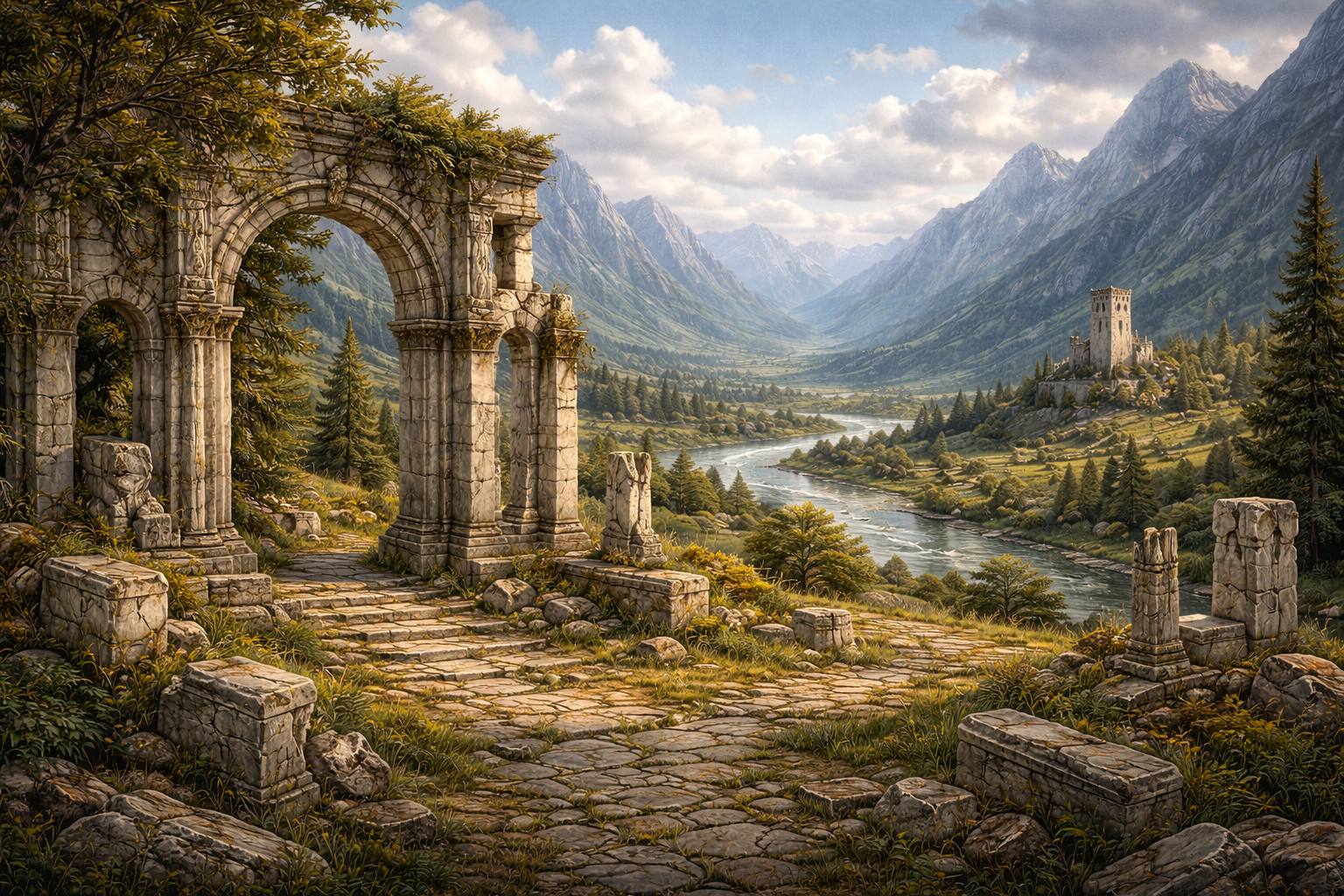
Gondor lay in the south of the Westlands, centered on the lower River Anduin and the lands between the White Mountains (Ered Nimrais) and the sea. Its heartlands included the Pelennor and the city-country of Minas Tirith, the Anduin crossings near Osgiliath, the green land of Ithilien, and the southern coastal fiefs that sustained its manpower and supply lines.
Founding of Gondor
The Realms in Exile
After the Downfall of Númenor at the end of the Second Age, Elendil and his sons established Númenórean kingdoms in exile. Gondor became the southern realm, founded and initially ruled by Isildur and Anárion as co-rulers under the High Kingship of Elendil.
Early Capitals and the Anduin Cities
In the earliest centuries of the Third Age, Gondor’s power was strongly tied to the Anduin: Osgiliath functioned as the royal city, while Minas Ithil and Minas Anor guarded the approaches and later became symbolically central to Gondor’s identity and defense.
Key Eras of Gondor
The long history of Gondor is traditionally understood as a series of distinct eras, each defined by changes in power, leadership, territory, and external threat. These eras explain how Gondor rose to greatness, endured centuries of decline, and ultimately survived to be restored at the end of the Third Age.
The Founding Era and Early Strength (Second Age – Early Third Age)
Gondor was founded in the late Second Age by the Dúnedain who survived the Downfall of Númenor. Under Isildur and Anárion, and later their descendants, Gondor inherited Númenórean knowledge, governance, and military organization.
In this early period, Gondor was expansive and confident. Its population was relatively large, its cities prosperous, and its control of the Anduin and coastal regions secure. The realm’s early strength was closely tied to Númenórean longevity, centralized kingship, and mastery of stonecraft and fortification.
The Age of the Ship-kings and Southern Expansion
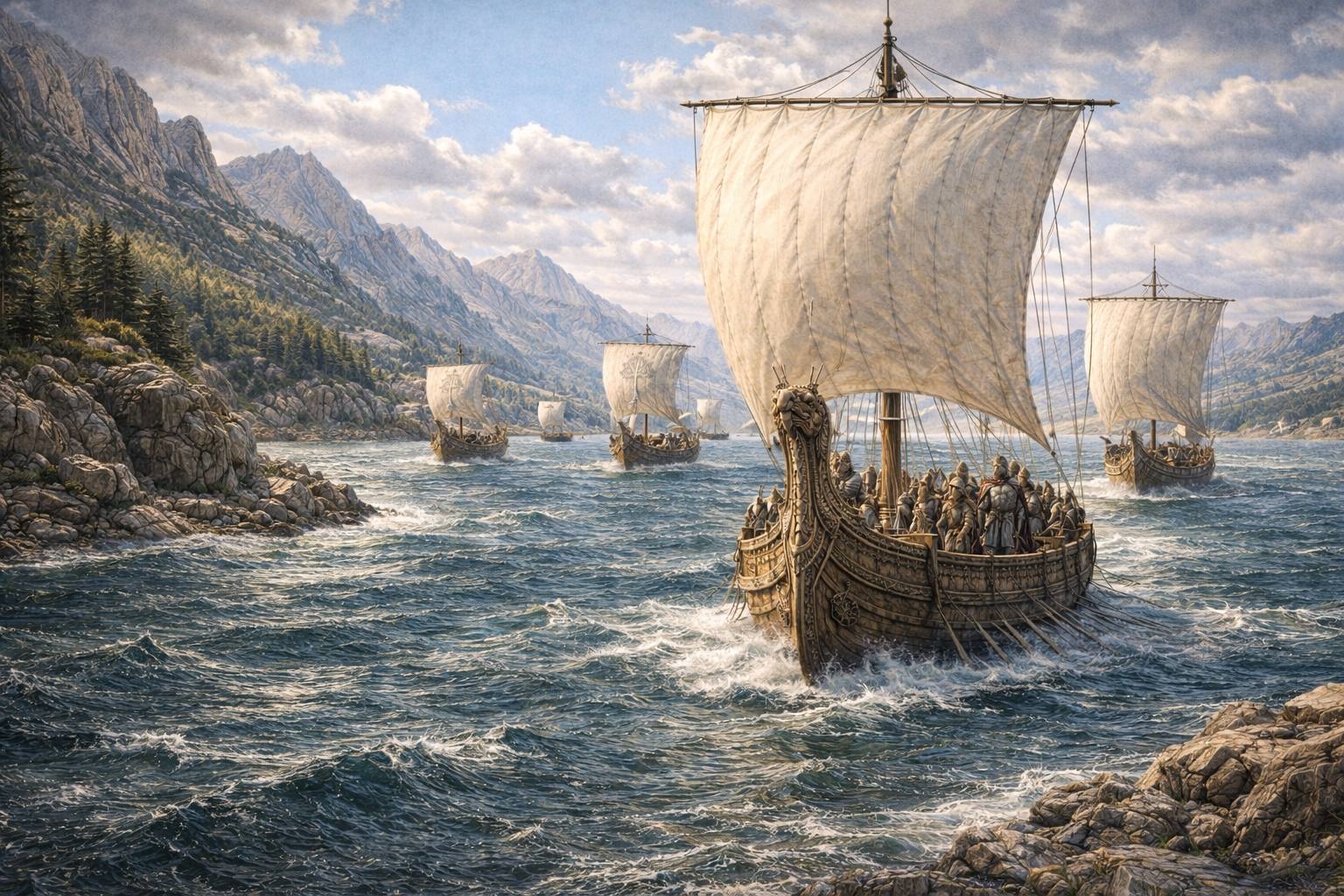
During the height of Gondor’s power in the Third Age, several rulers—often referred to collectively as the Ship-kings—expanded Gondor’s influence across the seas and along the southern coasts. Kings such as Tarannon Falastur emphasized naval strength, trade, and maritime dominance.
At its greatest extent, Gondor exercised authority far south along the coasts and deep into Harad, while also holding firm control of the Anduin valley. This era represents Gondor’s peak as a dominant imperial power among the realms of Men.
The Kin-strife and Internal Fracture
Gondor’s strength was gravely weakened during the Kin-strife (T.A. 1432–1447), a civil war sparked by disputed succession and ethnic tension between Númenórean-descended elites and those of mixed heritage.
The usurpation of the throne by Castamir, followed by the restoration of Eldacar, permanently damaged Gondor’s unity. Many Númenórean loyalists fled south to Umbar, creating a long-lasting enemy and reducing Gondor’s internal cohesion and population.
Plague, Contraction, and Defensive Decline
In the mid–Third Age, Gondor suffered catastrophic population losses during the Great Plague (T.A. 1636). King Telemnar and his heirs perished, and many cities—including Osgiliath—were severely depopulated.
From this point onward, Gondor increasingly shifted from expansion to survival. Borders were abandoned, cities declined, and defenses were stretched thin as pressure from Mordor, Harad, and Easterlings increased.
The End of Kings and the Rule of the Stewards
With the disappearance of King Eärnur in T.A. 2050, Gondor’s royal line ended. Authority passed fully to the Ruling Stewards, who governed in the King’s name without claiming the crown.
For nearly a thousand years, the Stewards preserved Gondor through vigilance, diplomacy, and military resistance. Though often underestimated, their rule prevented the total collapse of the realm during its weakest centuries.

The Final Crisis and the War of the Ring
By the late Third Age, Gondor stood as the last great barrier between Mordor and the western lands. Repeated assaults on Osgiliath, Ithilien, and the Anduin crossings foreshadowed the final war.
The War of the Ring culminated in the Siege of Minas Tirith and the Battle of the Pelennor Fields in T.A. 3019. Though Gondor suffered devastating losses, timely aid from Rohan and the actions of the Free Peoples prevented its fall.
Restoration and the Fourth Age
Following the defeat of Sauron, the kingship of Gondor was restored under Elessar (Aragorn II). Gondor was reunited with Arnor, borders were secured, and the realm entered an era of renewal unmatched since its early centuries.
This restoration marks the end of Gondor’s long decline and fulfills the Steward’s ancient charge to rule only until the King’s return.
Rulers of Gondor (Complete Lists)
Kings of Gondor (with reign years)
This list follows the standard “Kings of Gondor” sequence as presented in lore summaries grounded in The Lord of the Rings Appendices. It includes the early co-rulership, the Ship-kings, the Kin-strife interlude (Eldacar/Castamir), and the restoration in the Fourth Age.
Elendil
S.A. 3320–3441 †
High King; sons co-ruled Gondor
Anárion
S.A. 3320–3440 †
Co-ruler with Elendil and Isildur
Isildur
S.A. 3320–T.A. 2 †
Co-ruler with Elendil and Anárion; then sole until his death
Meneldil
T.A. 2–158
Cemendur
T.A. 158–238
Eärendil
T.A. 238–324
Anardil
T.A. 324–411
Ostoher
T.A. 411–492
Rómendacil I (Tarostar)
T.A. 492–541 †
Turambar
T.A. 541–667
Atanatar I
T.A. 667–748
Siriondil
T.A. 748–830
Tarannon Falastur
T.A. 830–913
Eärnil I
T.A. 913–936
Ciryandil
T.A. 936–1015 †
Hyarmendacil I
T.A. 1015–1149
Atanatar II Alcarin
T.A. 1149–1226
Narmacil I
T.A. 1226–1294
Calmacil
T.A. 1294–1304
Rómendacil II (Minalcar)
T.A. 1304–1366
Valacar
T.A. 1366–1432
Eldacar (Vinitharya)
T.A. 1432–1437
Castamir
T.A. 1437–1447 †
The Usurper, Kin-strife
Eldacar (Vinitharya)
T.A. 1447–1490
Restored after the death of Castamir
Aldamir
T.A. 1490–1540 †
Hyarmendacil II (Vinyarion)
T.A. 1540–1621
Minardil
T.A. 1621–1634 †
Telemnar
T.A. 1634–1636
Dies in the Great Plague
Tarondor
T.A. 1636–1798
Telumehtar Umbardacil
T.A. 1798–1850
Narmacil II
T.A. 1850–1856 †
Calimehtar
T.A. 1856–1936
Ondoher
T.A. 1936–1944 †
Eärnil II
T.A. 1945–2043
Eärnur
T.A. 2043–2050 †
Last King; Stewards rule thereafter
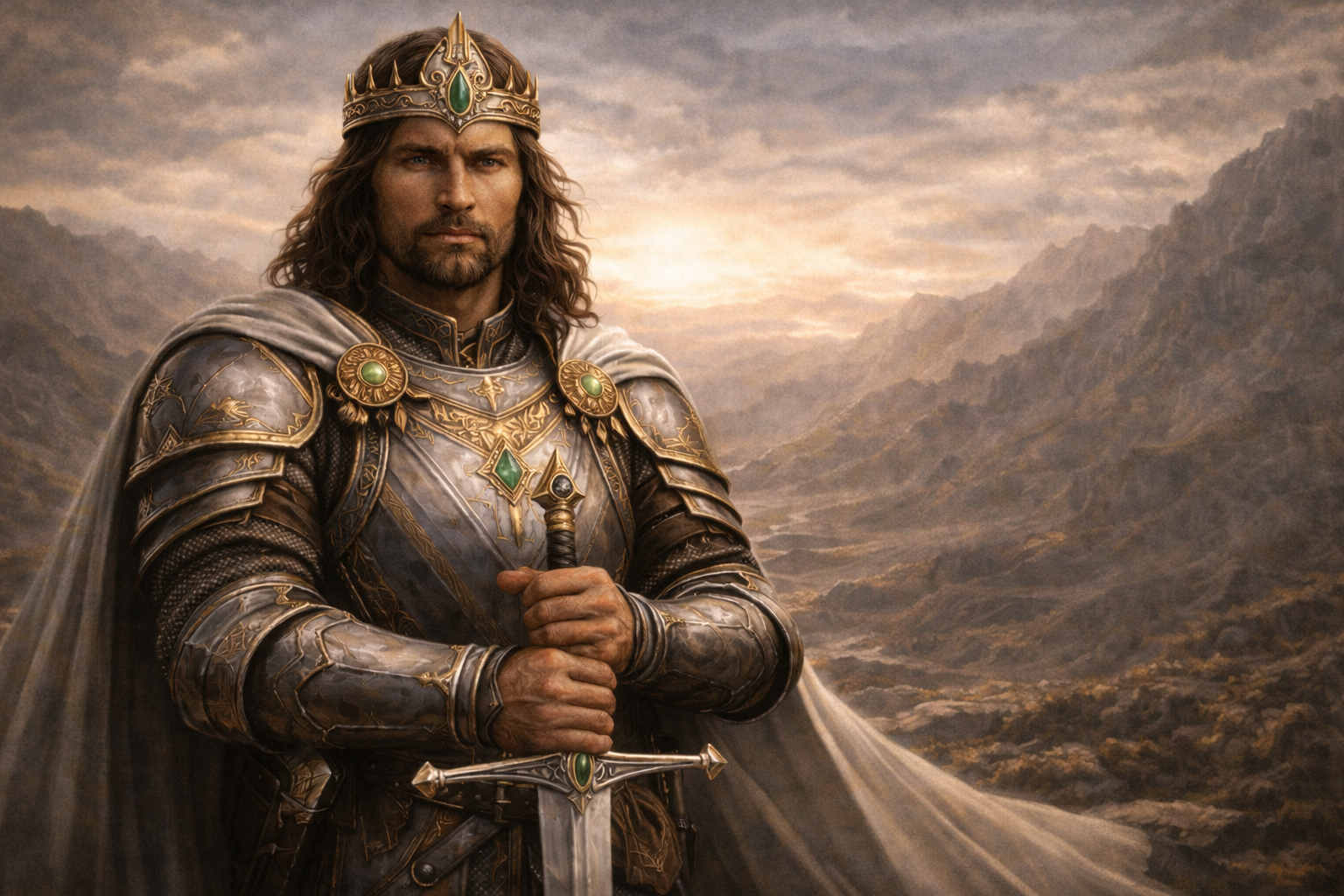
Elessar (Aragorn II)
T.A. 3019–F.A. 120
First High King of the Reunited Kingdom
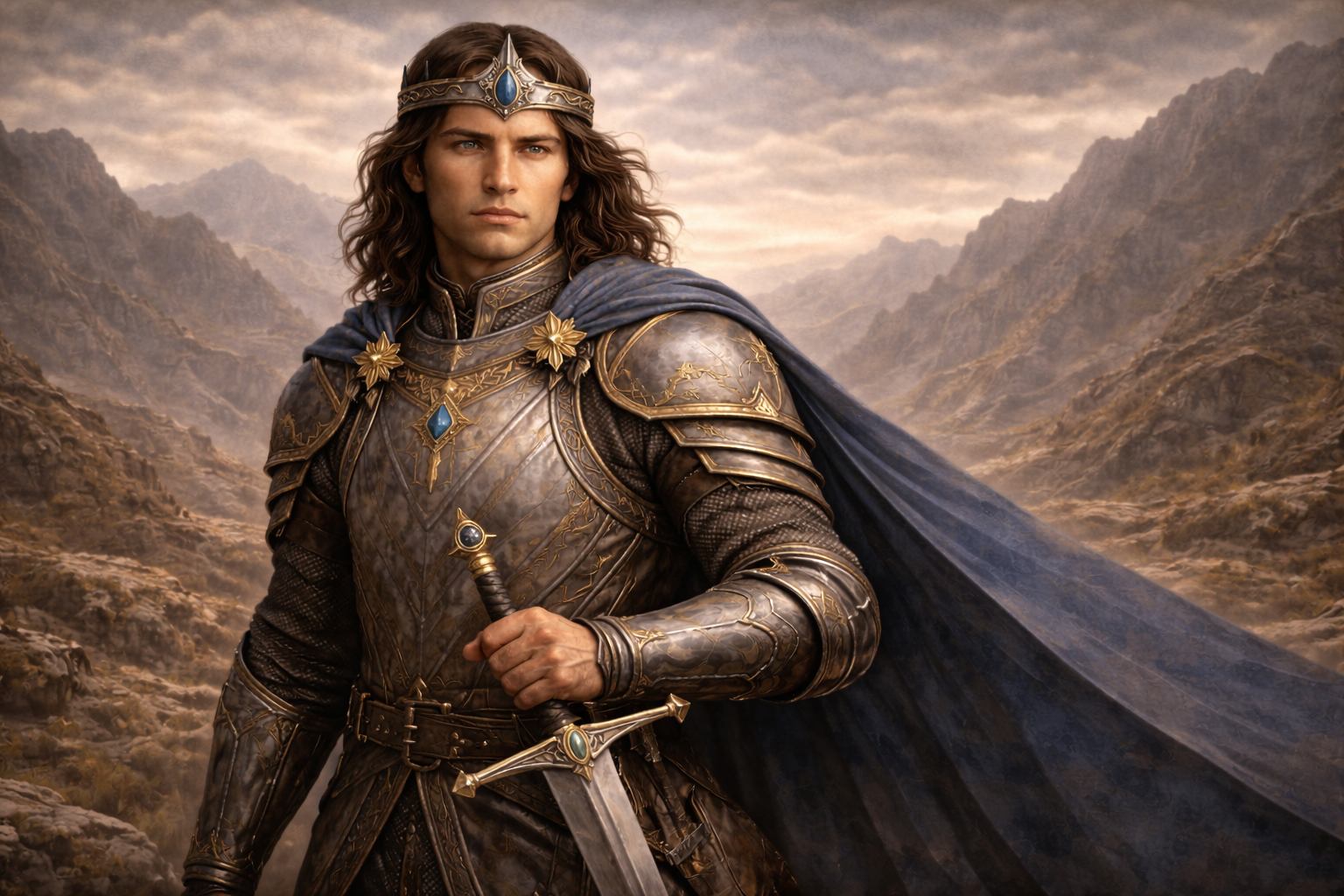
Eldarion
F.A. 120–c. F.A. 220
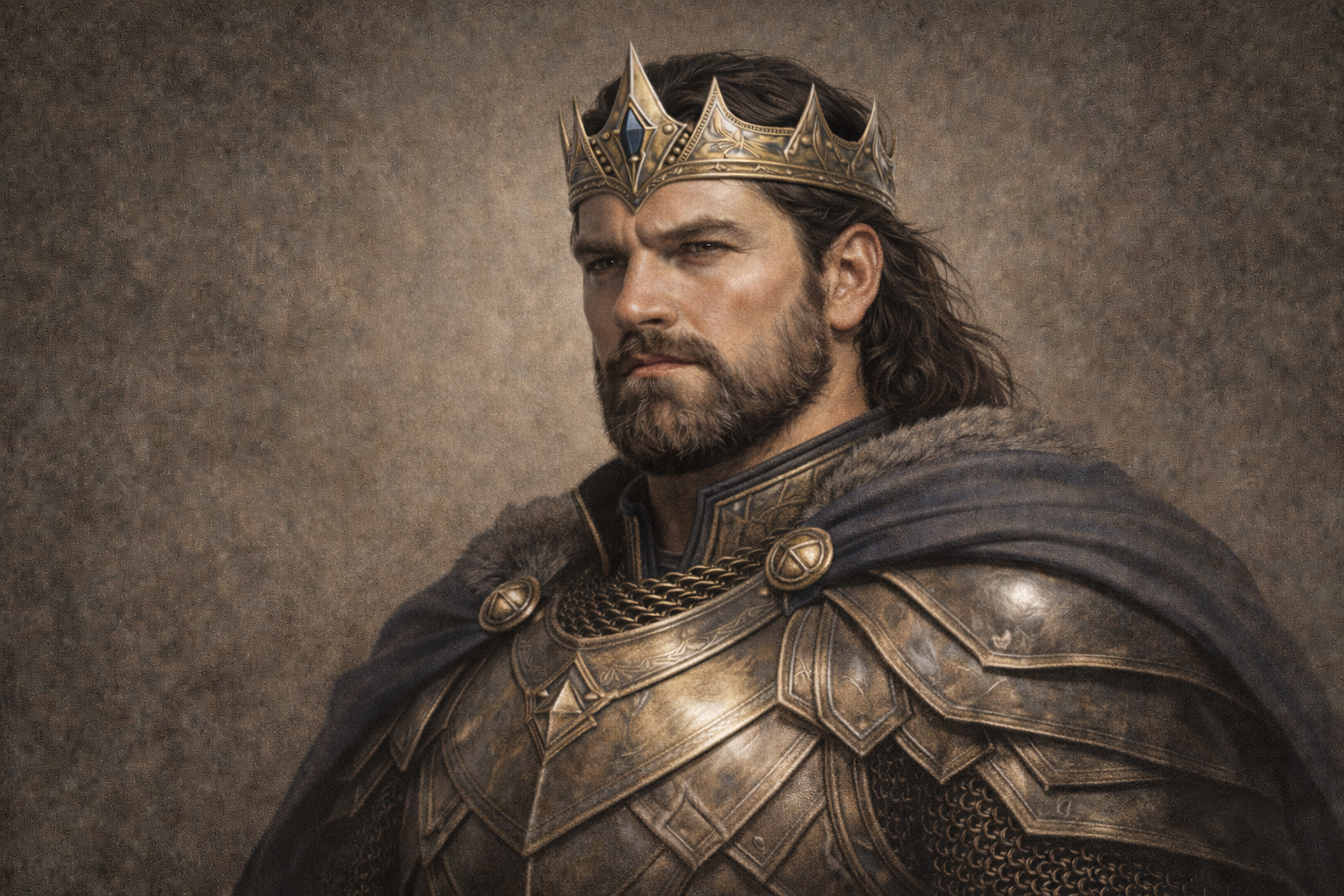
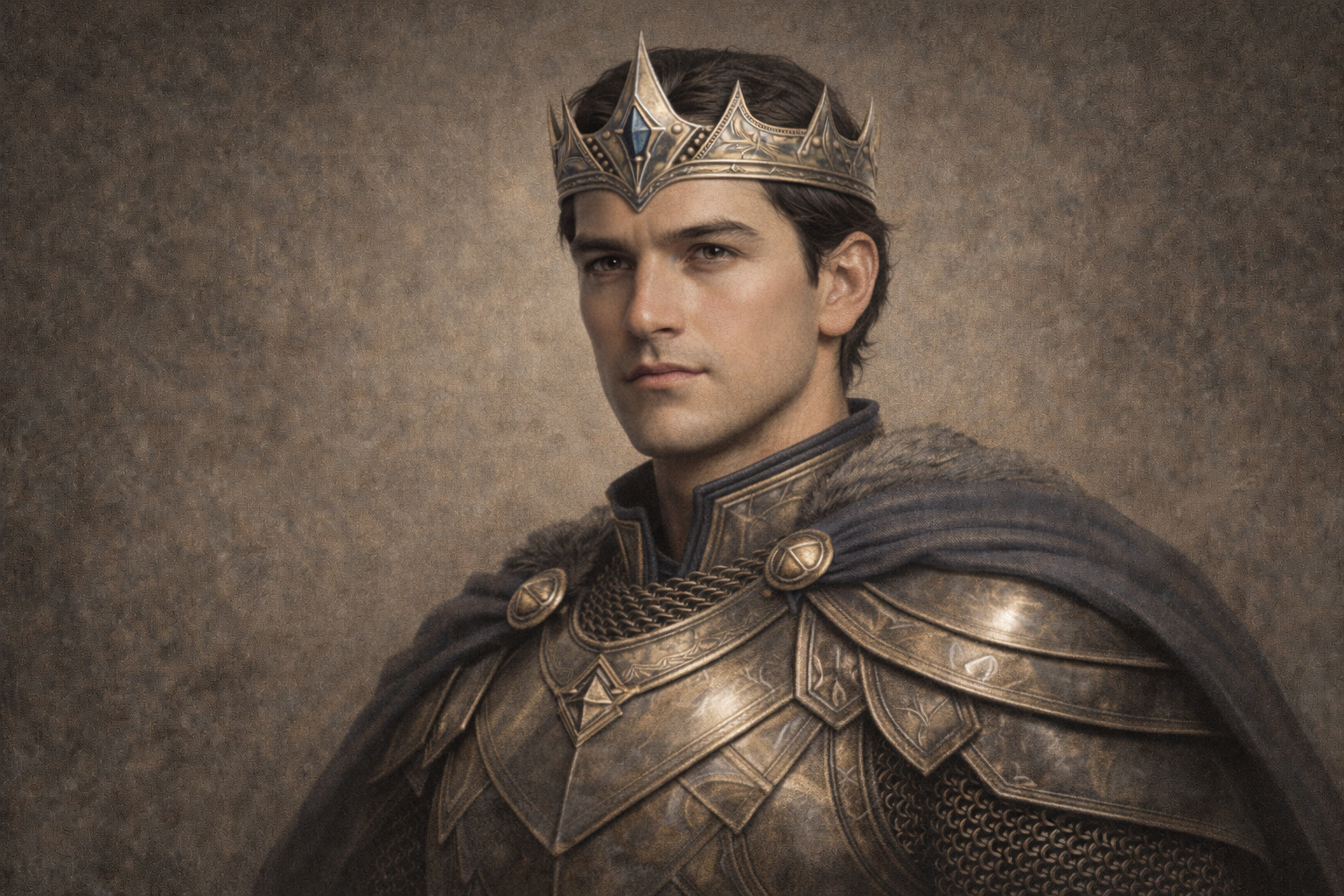
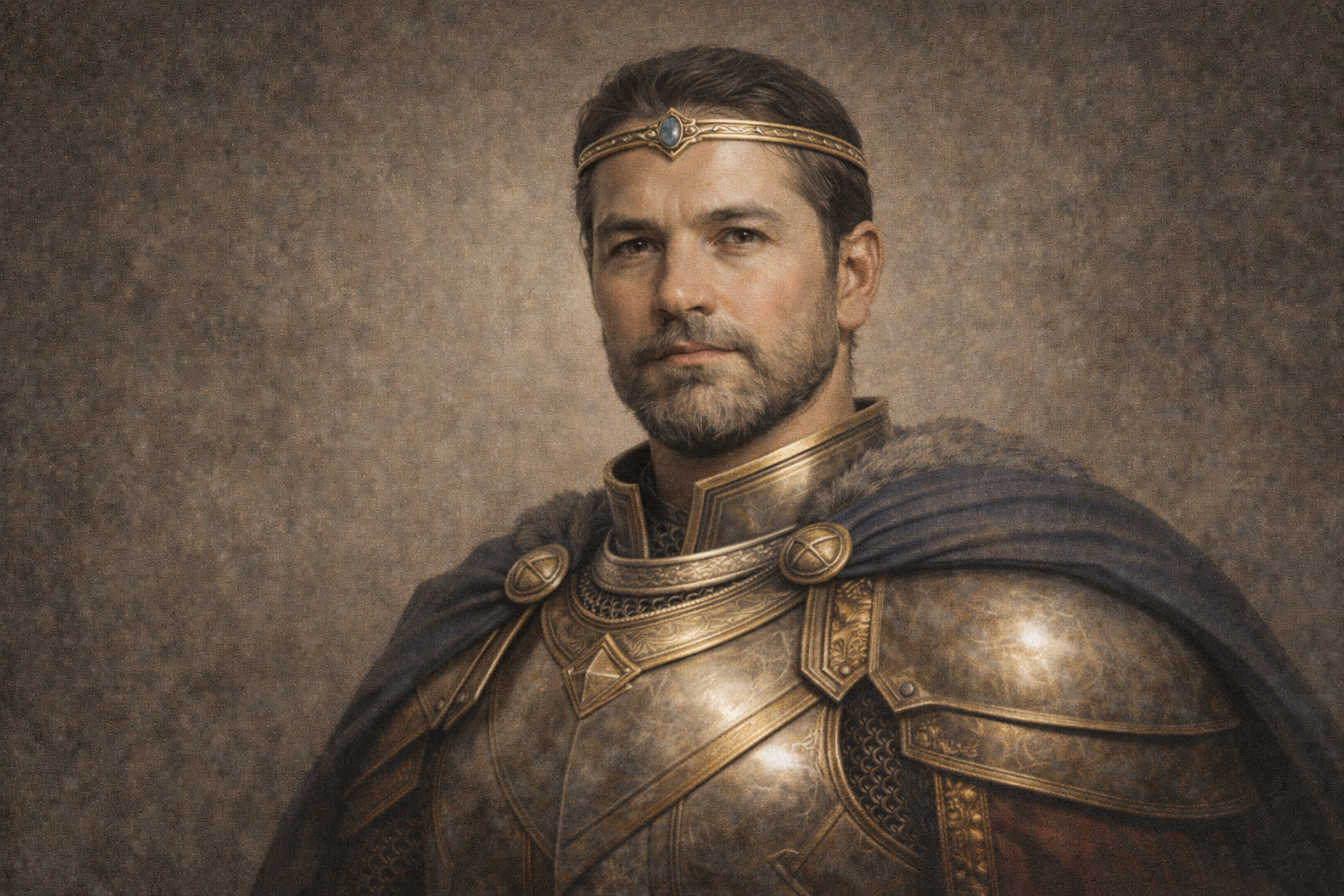
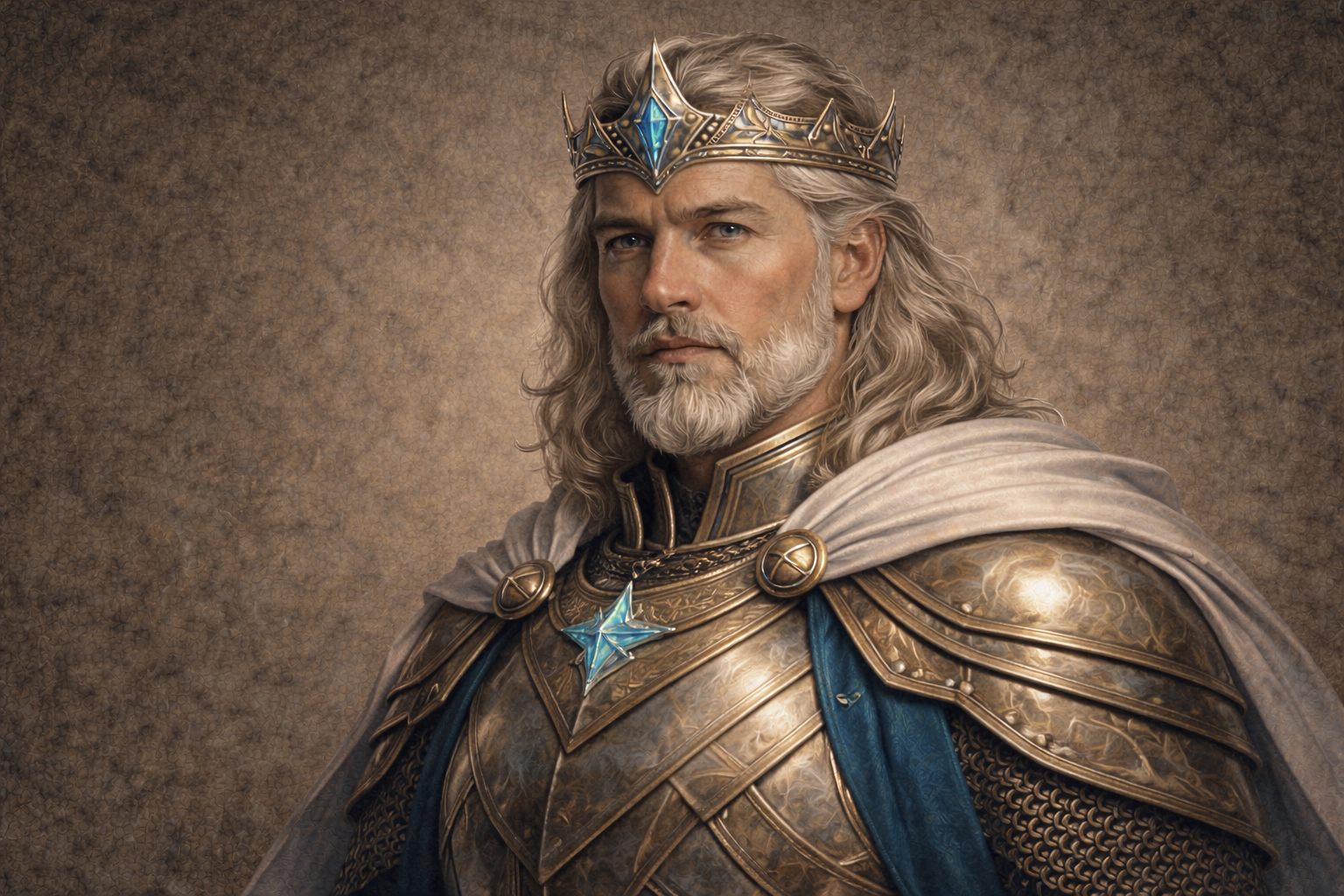
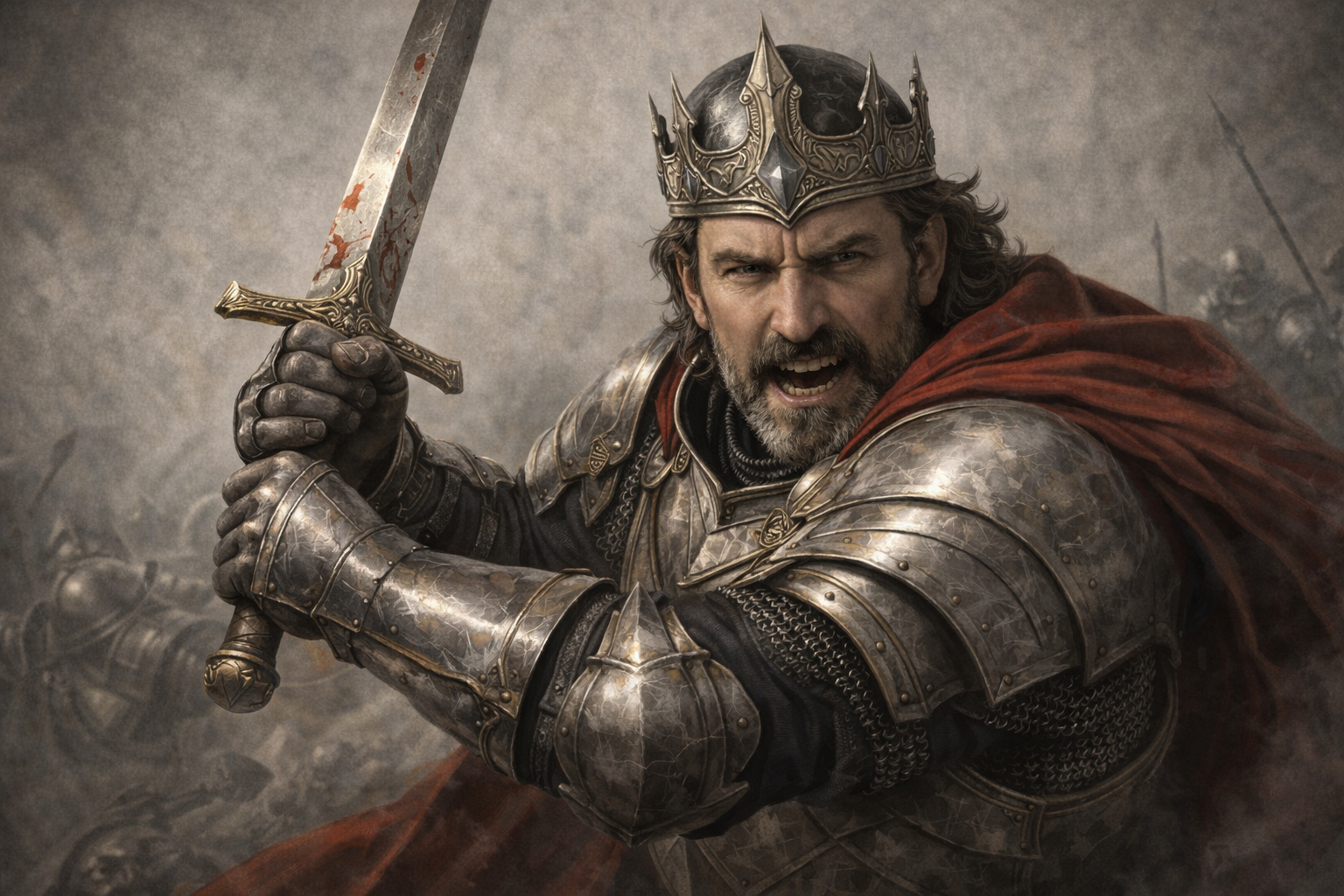
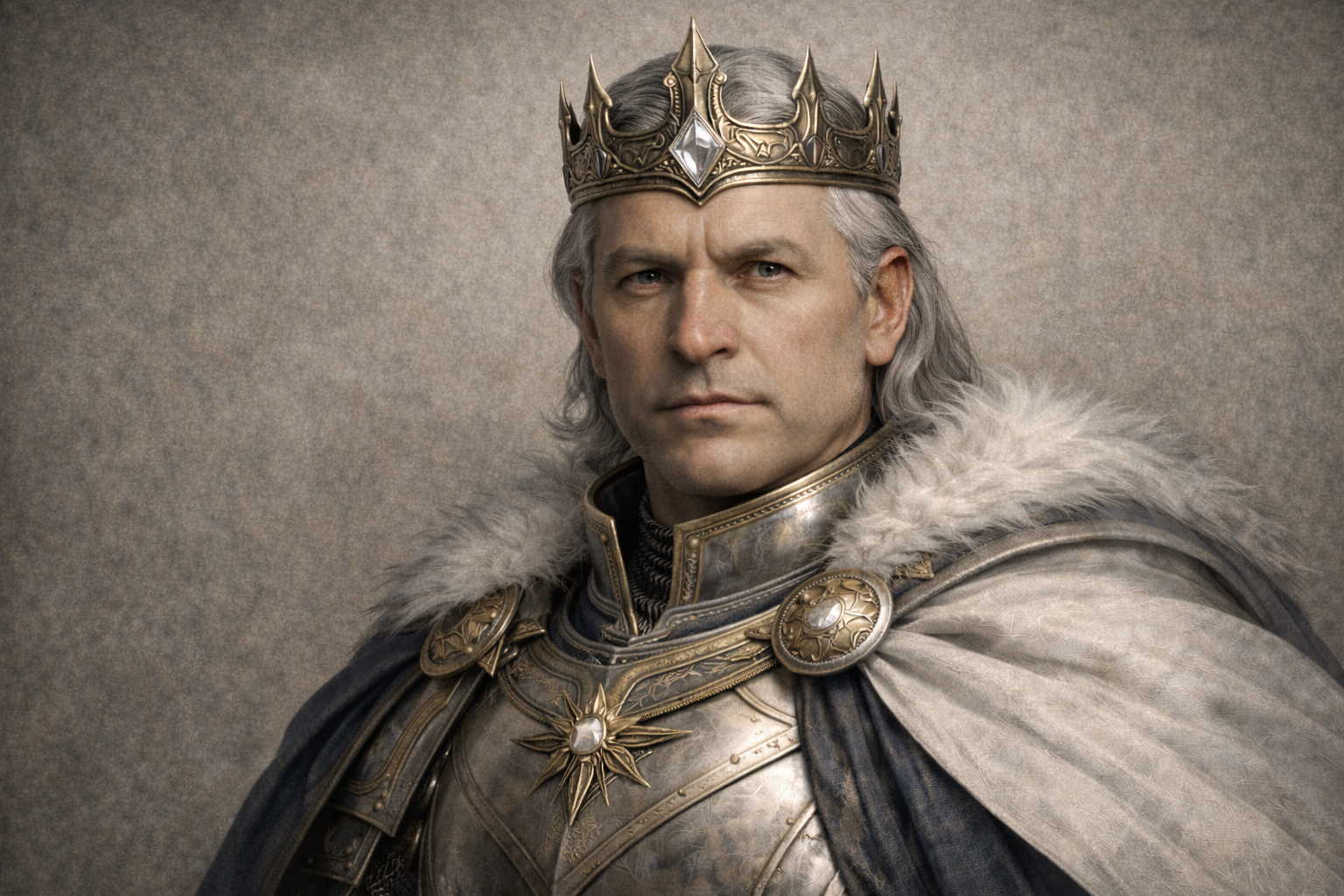
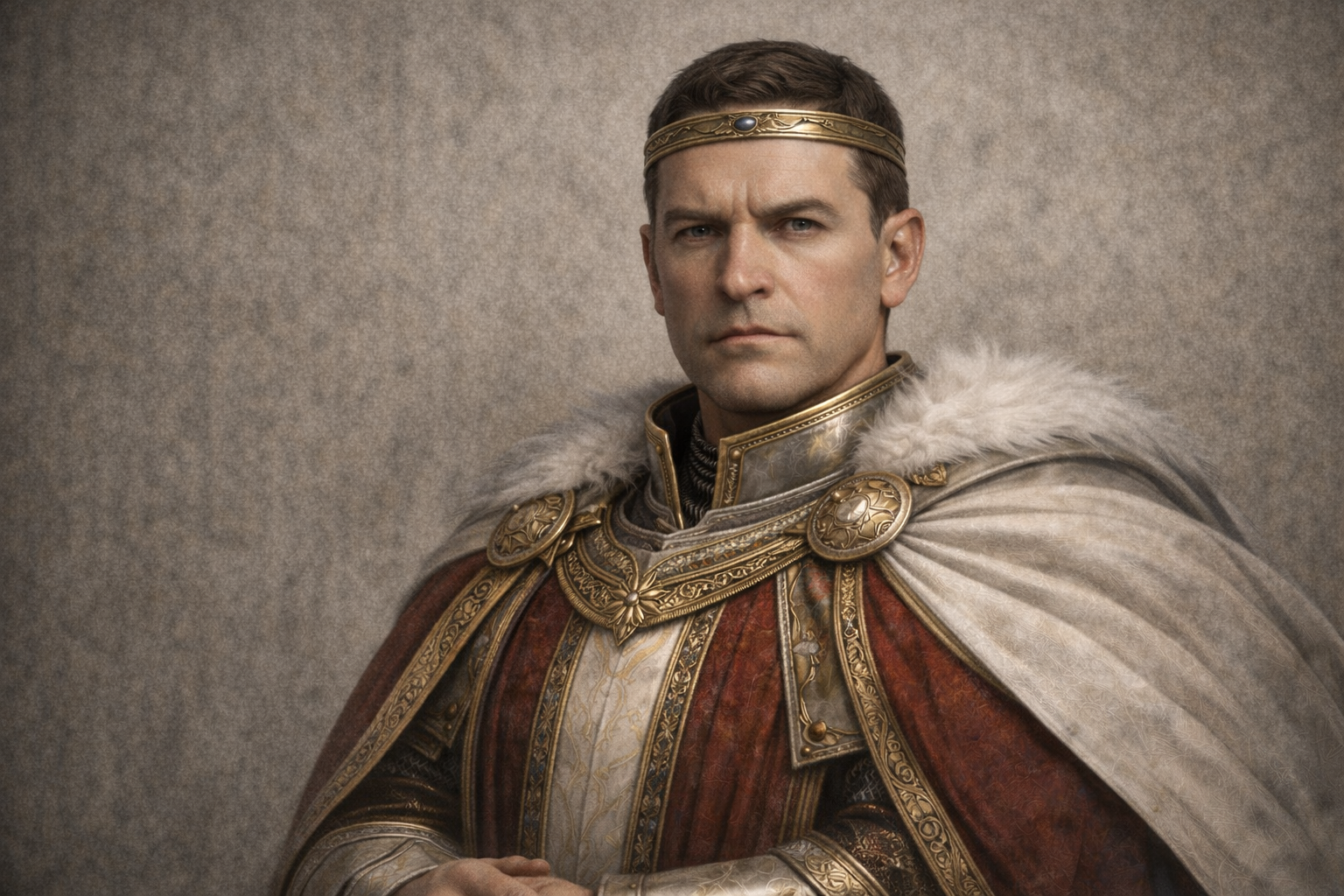
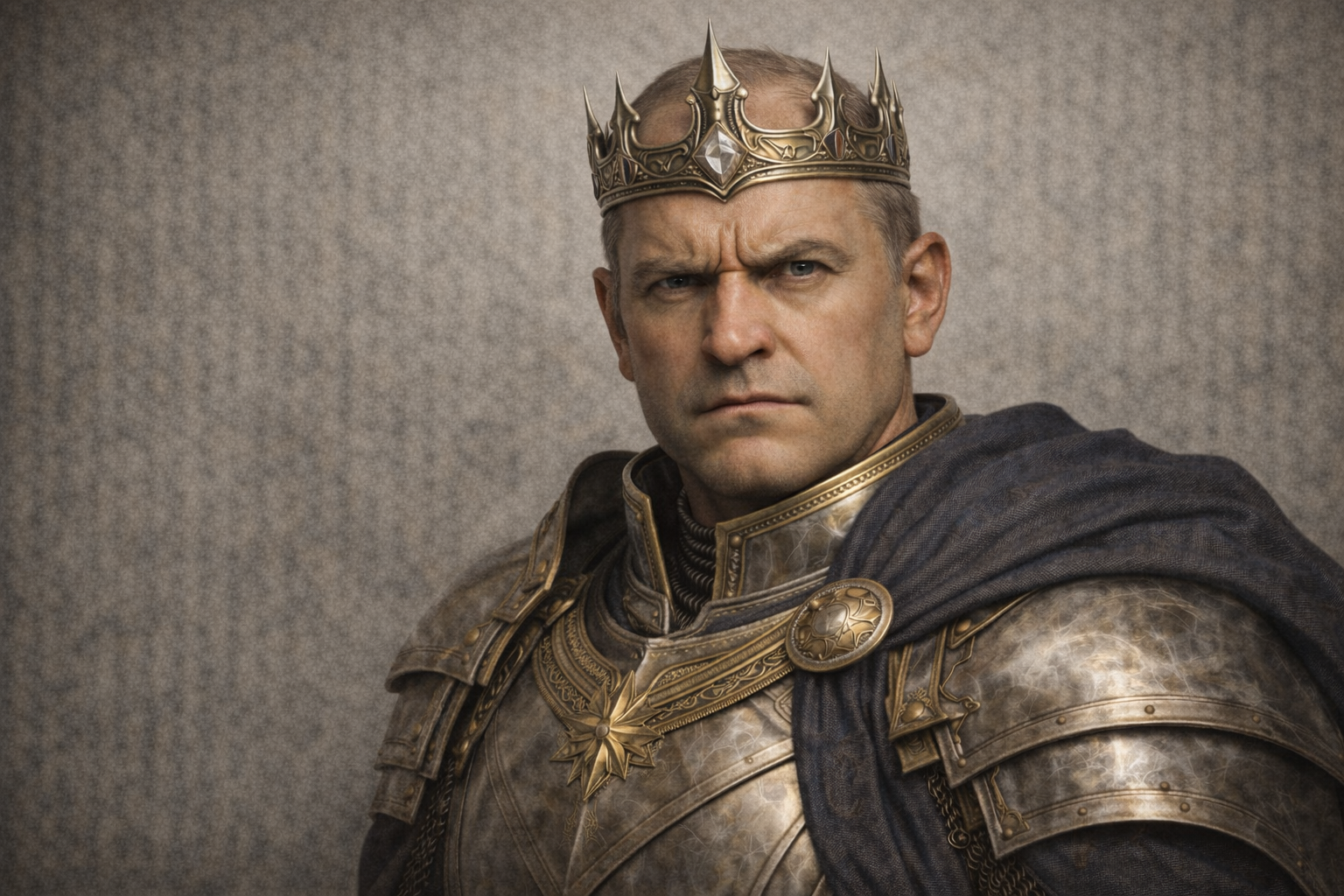
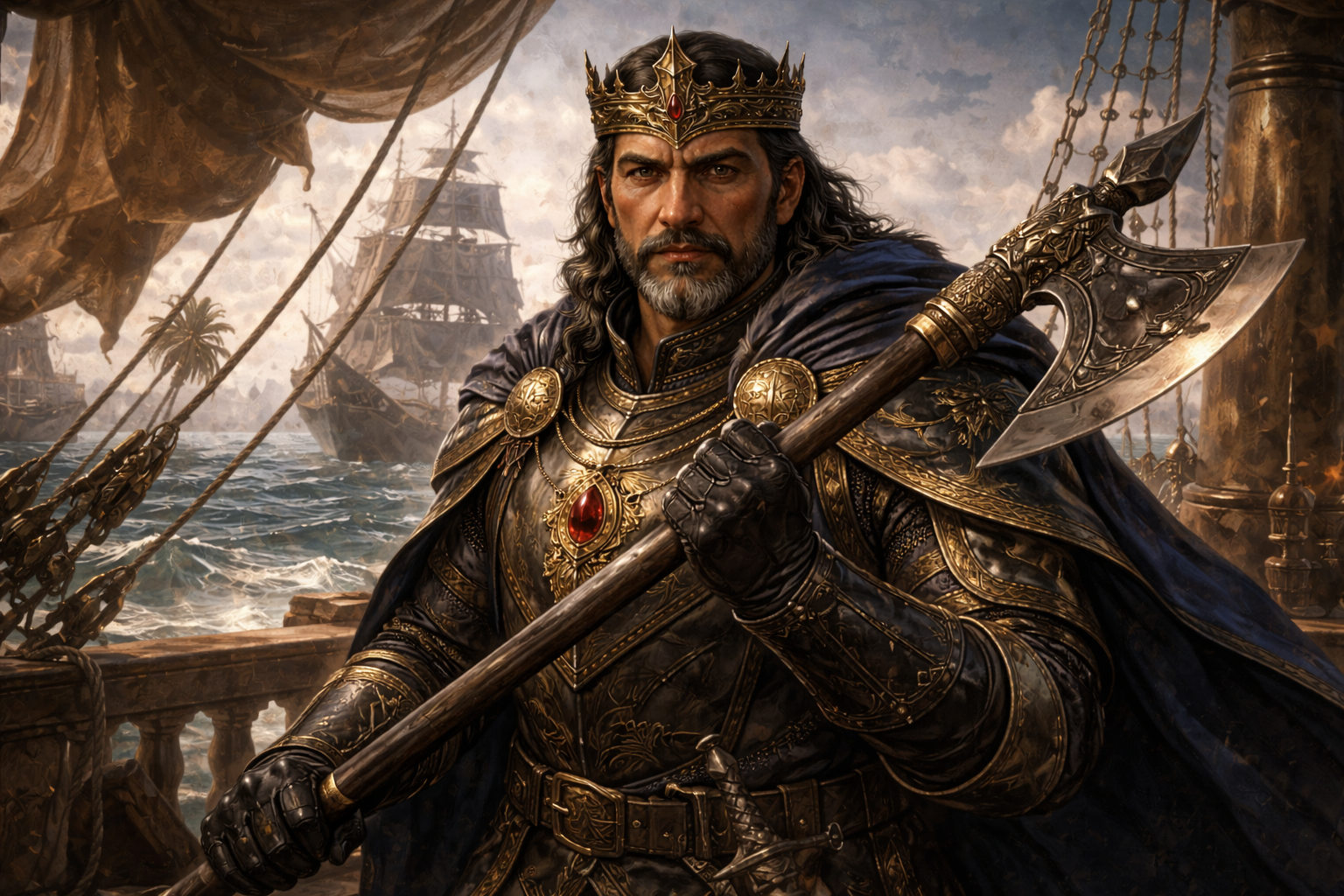
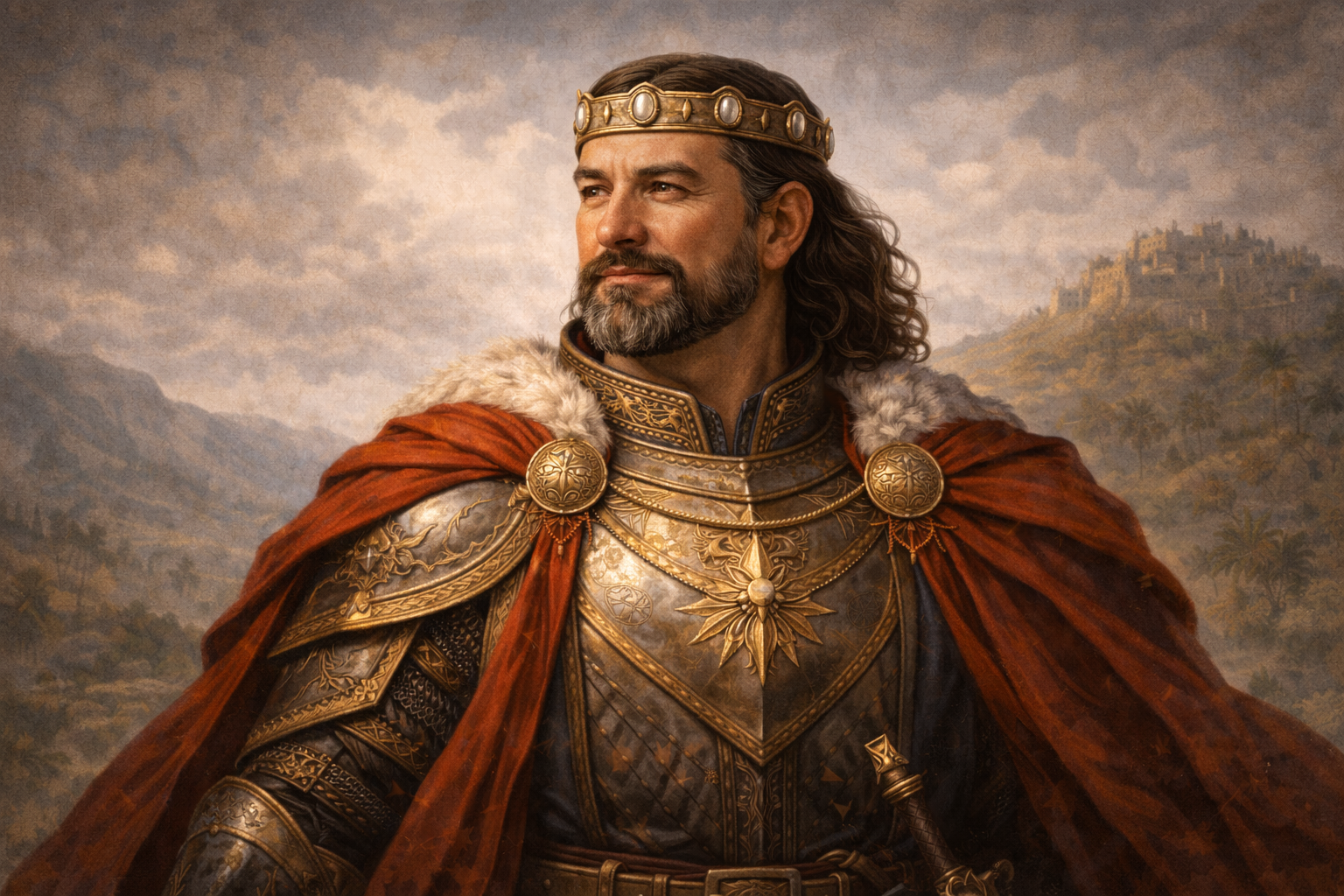
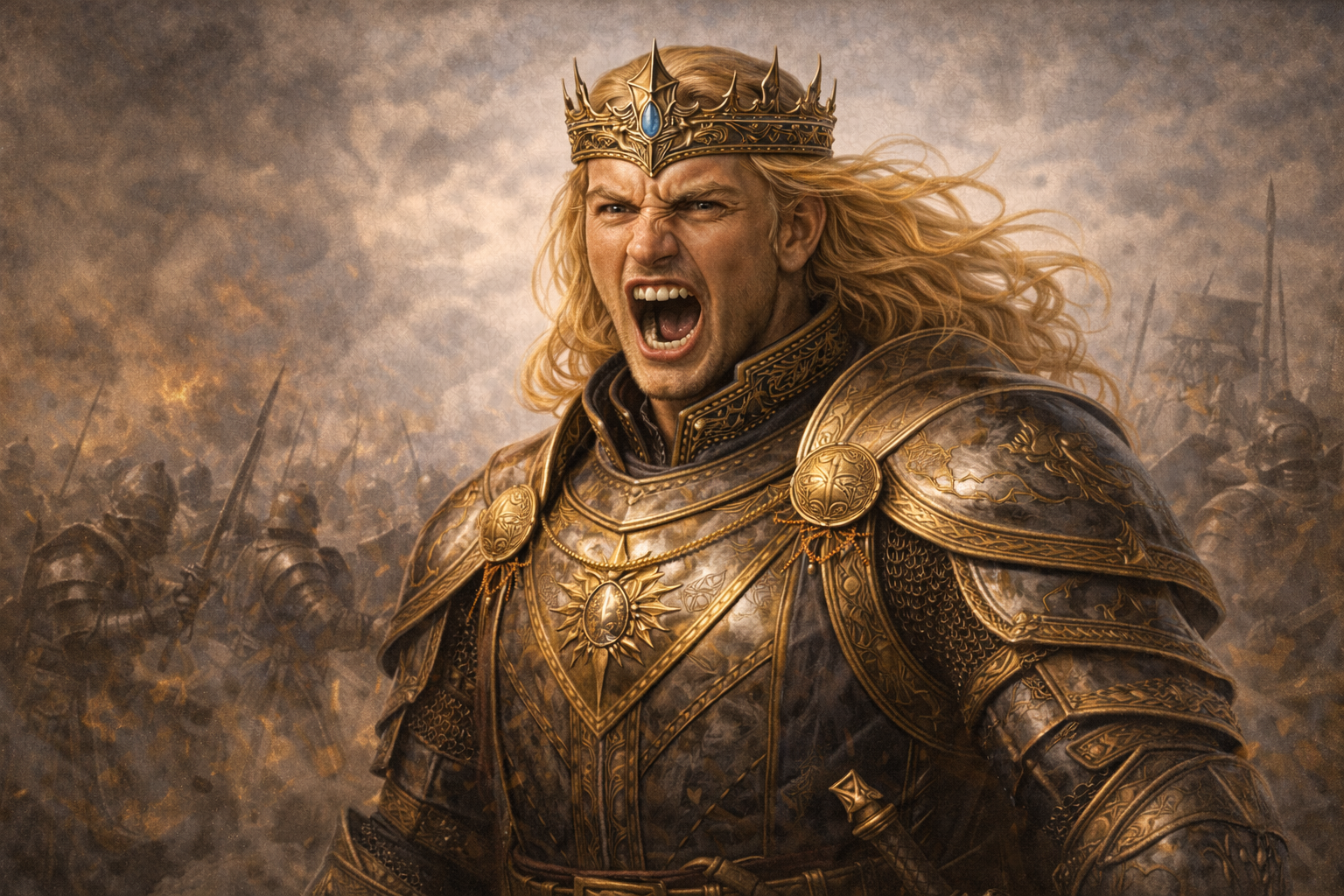
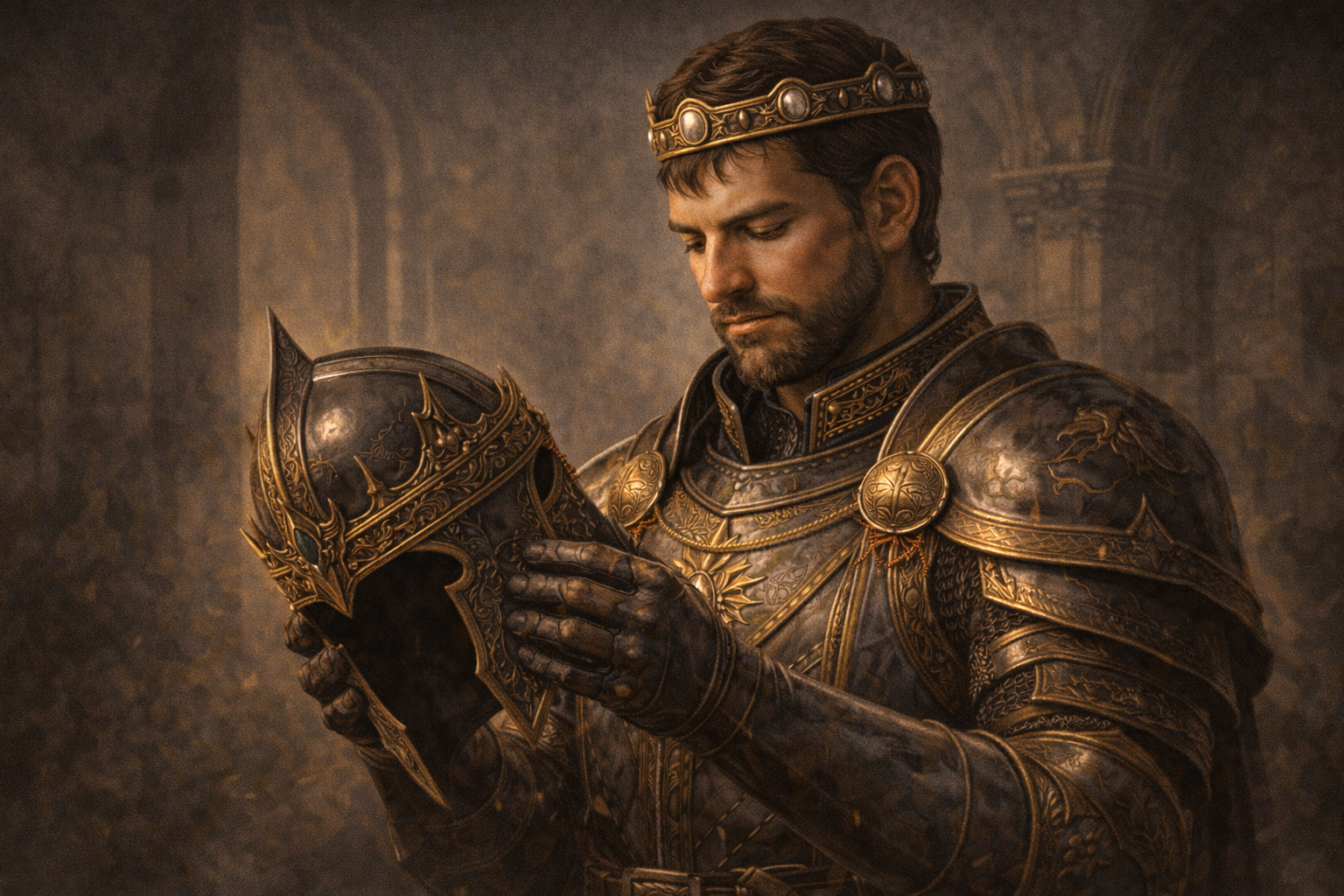
† = did not die a natural death (as commonly marked in the list)
Ruling Stewards of Gondor (with reign years)
After King Eärnur vanished in T.A. 2050 and left no heir, rule passed fully to the Ruling Stewards, a hereditary line governing “until the King returns.” The list below is the standard full sequence with reign years through the War of the Ring.
Mardil Voronwë — T.A. 2050–2080
Eradan — T.A. 2080–2116
Herion — T.A. 2116–2148
Belegorn — T.A. 2148–2204
Húrin I — T.A. 2204–2244
Túrin I — T.A. 2244–2278
Hador — T.A. 2278–2395
Barahir — T.A. 2395–2412
Dior — T.A. 2412–2435
Denethor I — T.A. 2435–2477
Boromir — T.A. 2477–2489
Cirion — T.A. 2489–2567
Hallas — T.A. 2567–2605
Húrin II — T.A. 2605–2628
Belecthor I — T.A. 2628–2655
Orodreth — T.A. 2655–2685
Ecthelion I — T.A. 2685–2698
Egalmoth — T.A. 2698–2743
Beren — T.A. 2743–2763
Beregond — T.A. 2763–2811
Belecthor II — T.A. 2811–2872
Thorondir — T.A. 2872–2882
Túrin II — T.A. 2882–2914
Turgon — T.A. 2914–2953
Ecthelion II — T.A. 2953–2984
Denethor II — T.A. 2984–3019
Faramir becomes Steward in T.A. 3019 and returns the rule of Gondor to King Elessar; he is commonly treated as the post-war Steward rather than part of the numbered “Ruling Stewards” sequence that ends with Denethor II.
The Stewards of Gondor (Role and Meaning)
What the Stewardship Was
The Steward was originally a chief royal officer appointed to manage the King’s affairs. Over time the office became hereditary within the House of Húrin, and after T.A. 2050 it functioned “in all respects and purposes” as the Kingship in practice—yet without a royal claim to the throne.
Stewardship in the War of the Ring
By the War of the Ring, Gondor is ruled by Denethor II, a formidable leader whose strategies are undermined by despair and the influence of the palantír. His fall coincides with Gondor’s greatest assault, the siege of Minas Tirith.
Capitals, Great Cities, and Strategic Sites of Gondor
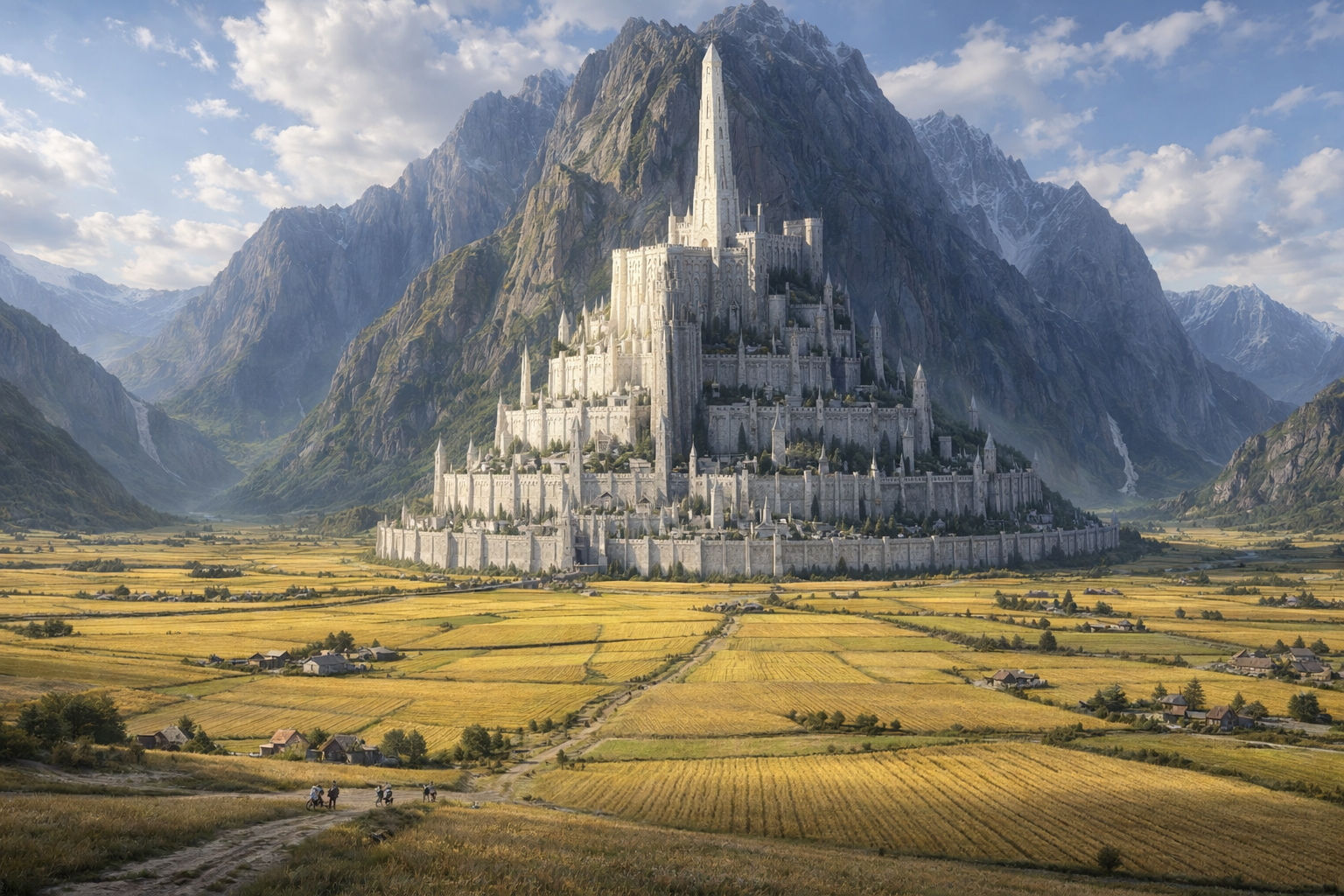
Minas Tirith
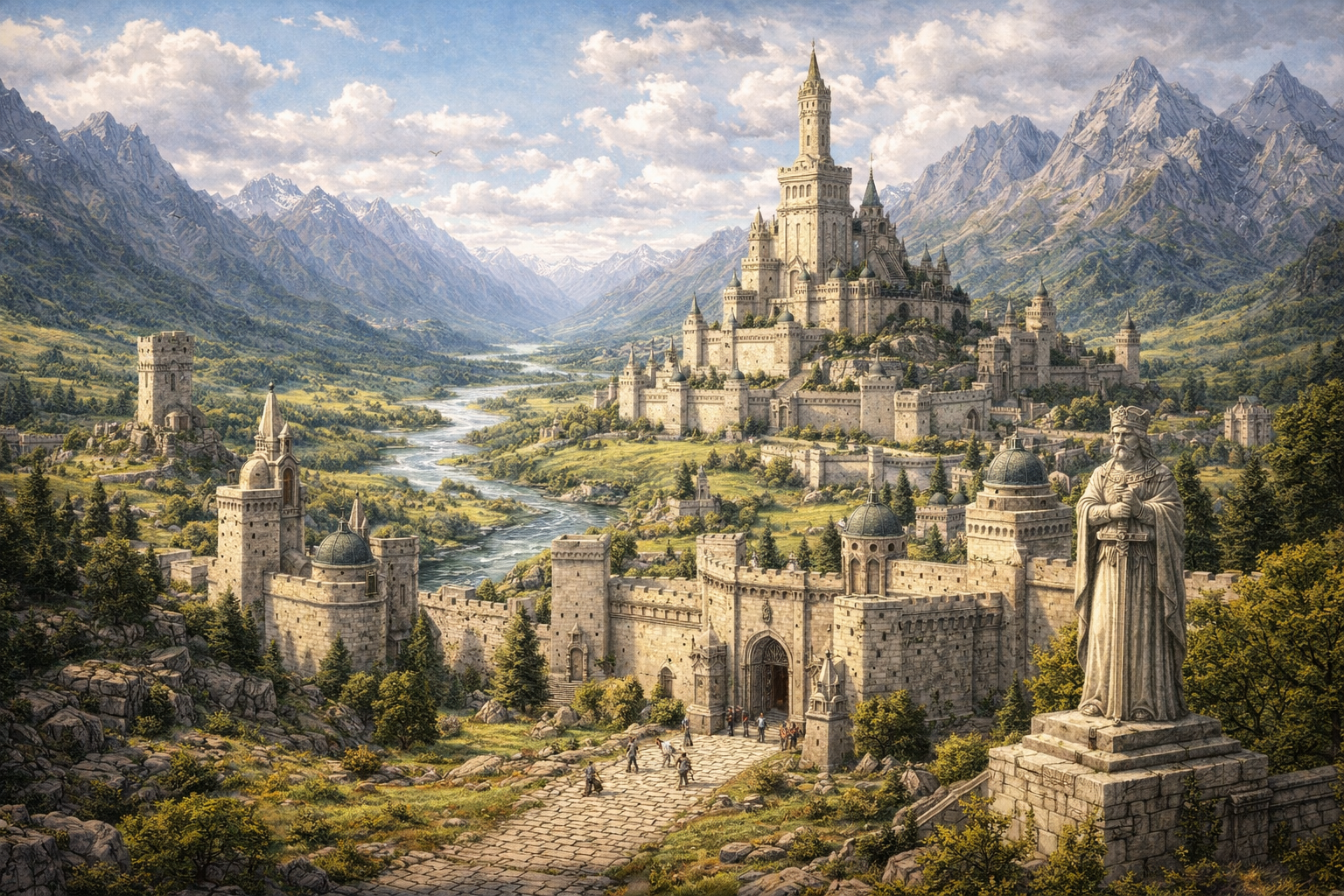
Minas Tirith becomes Gondor’s principal seat of government and its decisive fortress in the late Third Age, guarding the Pelennor and the main western approaches from Mordor.
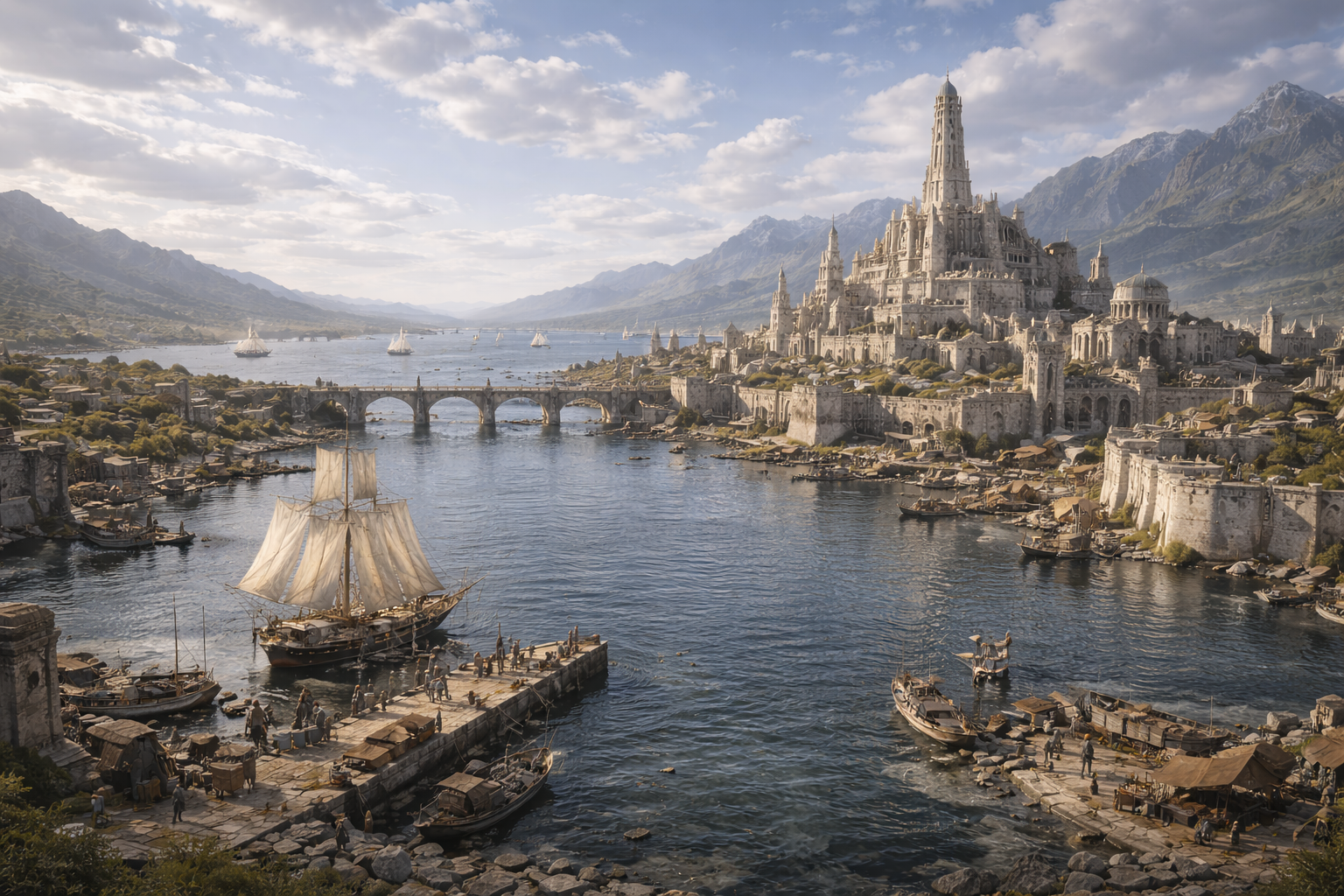
Pelargir
Pelargir represents Gondor’s naval and river strength—shipbuilding, trade, and the movement of supplies and men along the Anduin and coast.
Osgiliath
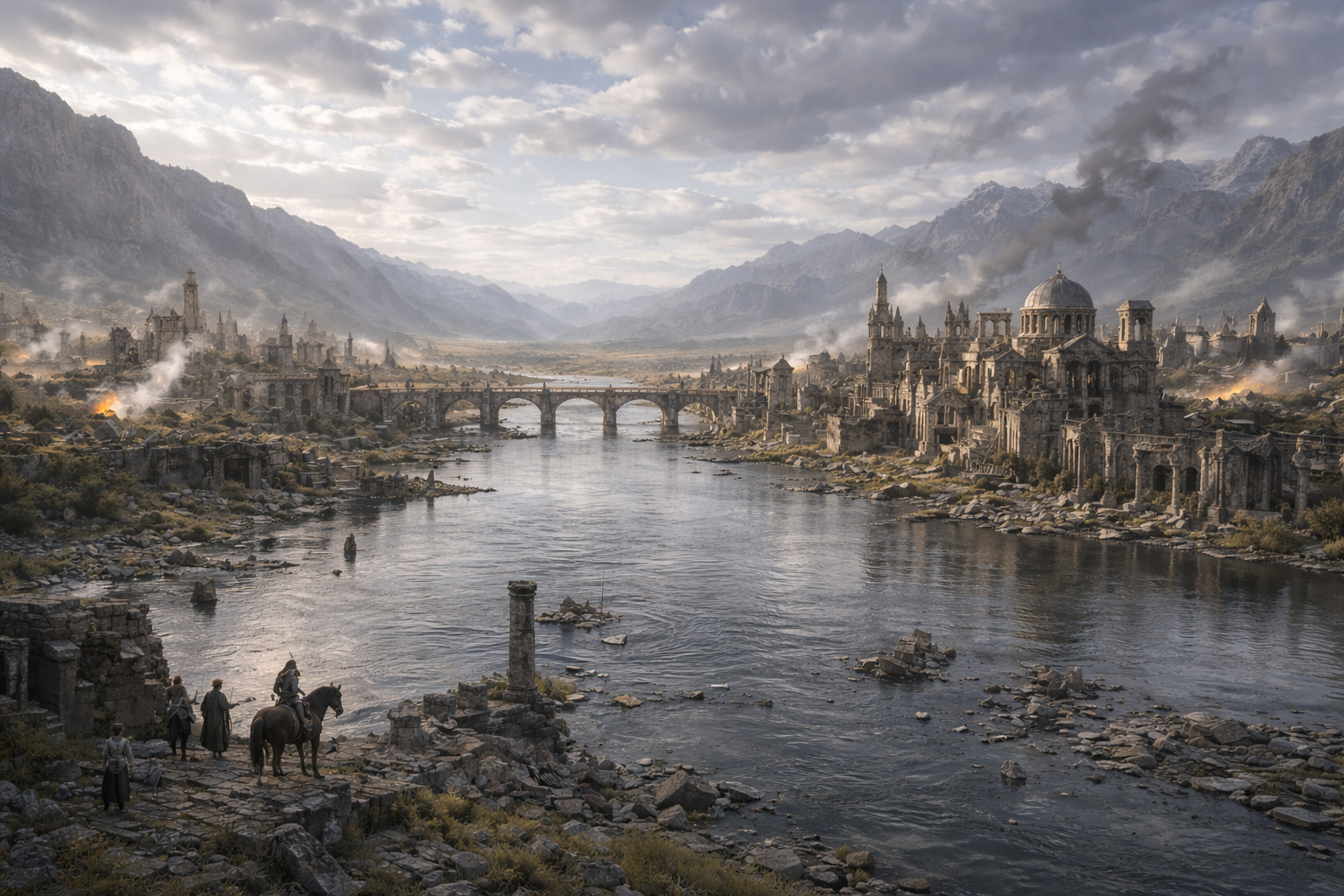
Osgiliath, once the royal city associated with Gondor’s Anduin power, becomes a ruined but strategically crucial barrier city, repeatedly contested as Mordor presses westward.
Dol Amroth
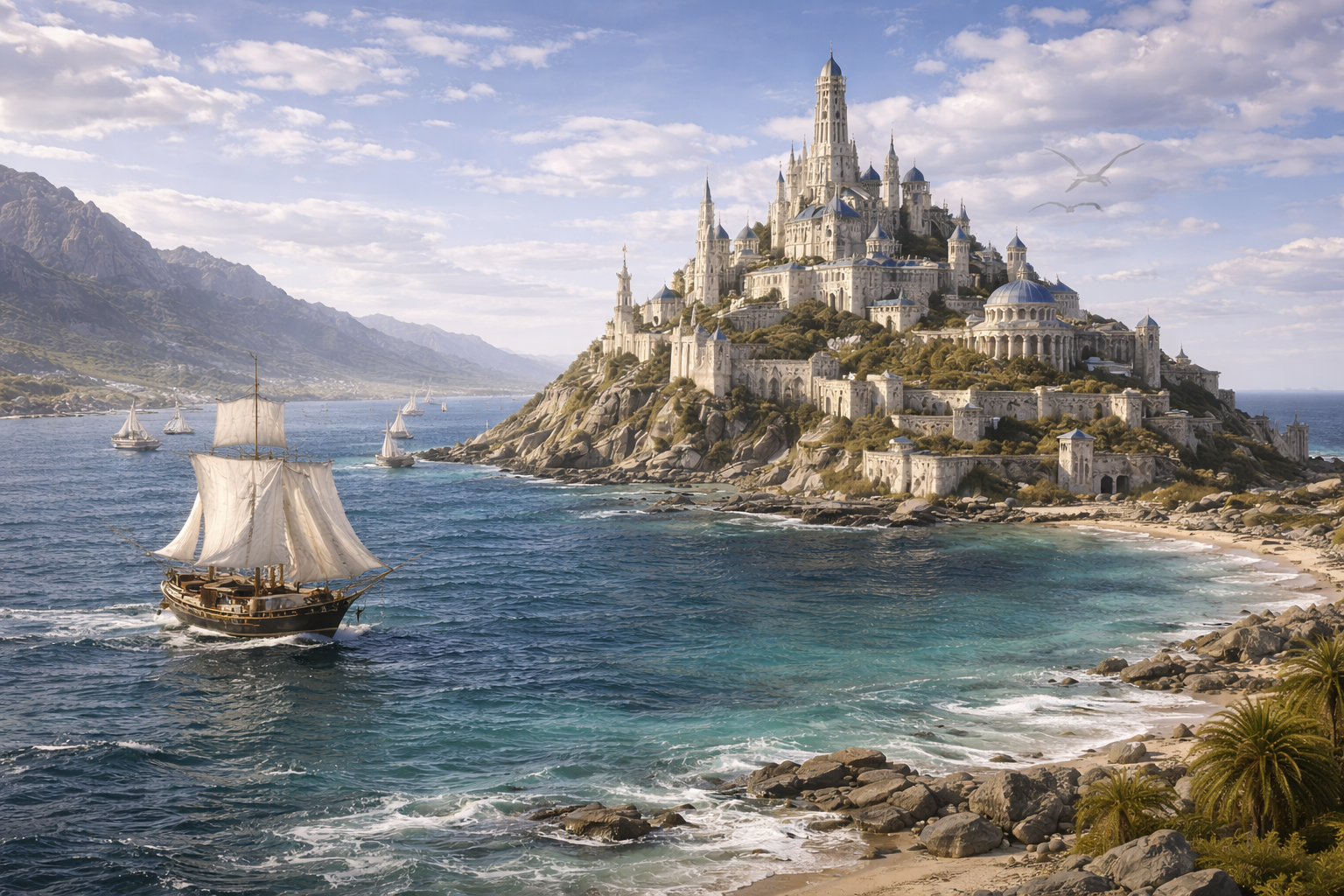
Dol Amroth is a major southern power in Belfalas with its own princely tradition; its forces are central to Gondor’s southern strength and late-war reinforcement.
Anórien
Lossarnach
Regions and Fiefs of Gondor
By the late Third Age, Gondor relies heavily on its fiefs—regional lordships that contribute troops, supplies, and strategic depth.
Ithilien
Belfalas
Anfalas
Lebennin
Lamedon
People and Culture of Gondor
Númenórean Heritage
Gondor preserves a Númenórean inheritance: strong historical memory, formal governance, high stonecraft and city-building traditions, and a cultural ideal of duty and endurance.
The Late Third Age Identity
In the late Third Age, Gondor is culturally proud but demographically strained—its outlying lands increasingly threatened, its river defenses contested, and its capital forced into a posture of permanent readiness.
Military and Defense of Gondor
Geography as a Fortress
Gondor’s defenses are shaped by the White Mountains, the Anduin crossings, and fortified cities and causeways. Its war in the late Third Age is dominated by the struggle to hold crossings, delay Mordor, and prevent a direct breach into the Pelennor.
Alliance with Rohan
Gondor’s alliance with Rohan becomes decisive at the Pelennor Fields, where relief from the North breaks the siege at the critical moment.
Gondor in the War of the Ring
Siege of Gondor
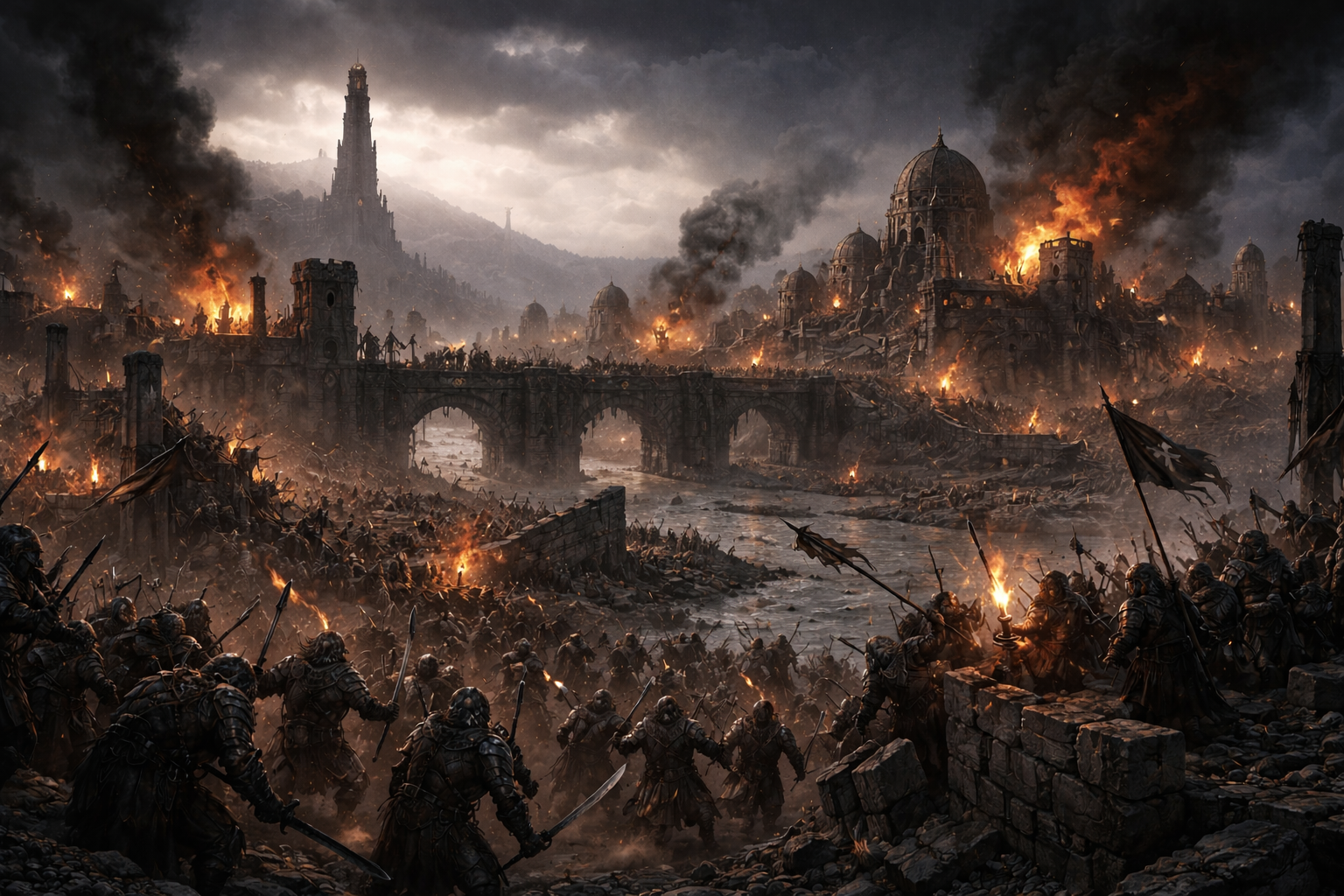
In T.A. 3019, Mordor launches a full-scale assault culminating in the siege of Minas Tirith, following brutal pressure on the Anduin defenses and the contested ruins of Osgiliath.
Battle of the Pelennor Fields
The Battle of the Pelennor Fields becomes the defining battle fought before Minas Tirith, turning the tide of the war in the West even as Gondor pays a severe price in lives and leadership.
Gondor Timeline
S.A. 3320: Gondor established under Elendil’s high kingship; Isildur and Anárion co-rule
T.A. 2: Meneldil becomes first sole ruler after Isildur’s death
T.A. 1437–1447: Kin-strife; Castamir usurps the throne; Eldacar restored
T.A. 1634–1636: Telemnar dies in the Great Plague
T.A. 2050: King Eärnur disappears; rule of the Ruling Stewards begins
T.A. 3019: Denethor II dies; War of the Ring climax; restoration begins
T.A. 3019–F.A. 120: Elessar reigns; renewal of Gondor
Frequently Asked Questions about Gondor
-
Eärnur was the last King of Gondor, ruling from T.A. 2043 to T.A. 2050; after his disappearance the Ruling Stewards governed Gondor.
-
There were 26 numbered Ruling Stewards from Mardil Voronwë (T.A. 2050–2080) to Denethor II (T.A. 2984–3019).
-
Yes—Castamir is typically listed as King during the Kin-strife (T.A. 1437–1447), followed by Eldacar’s restoration.
-
Elessar (Aragorn II) restored the kingship in T.A. 3019 and reigned until F.A. 120, becoming the first High King of the Reunited Kingdom.
-
Osgiliath is traditionally described as Gondor’s early royal city/capital before the center of rule shifted fully to Minas Tirith later.